

Outdoor travel keeps growing across the West. Mountain towns and desert areas draw people all year. For landowners and builders, this means real opportunity. Still, success does not happen by luck. It starts with the right structure.
Luna Glamping designs and sells high-quality geodesic domes. We focus only on domes. These structures are strong, simple to set up, and built to last. They work well in snow, wind, heat, and cold. Because of their shape, domes spread weight evenly. This helps them handle tough weather better than most basic tents.
If you want to build a rental unit, a retreat space, or a private getaway on your land, a dome can be a smart choice. Below, you will see how domes perform in five popular Western locations.
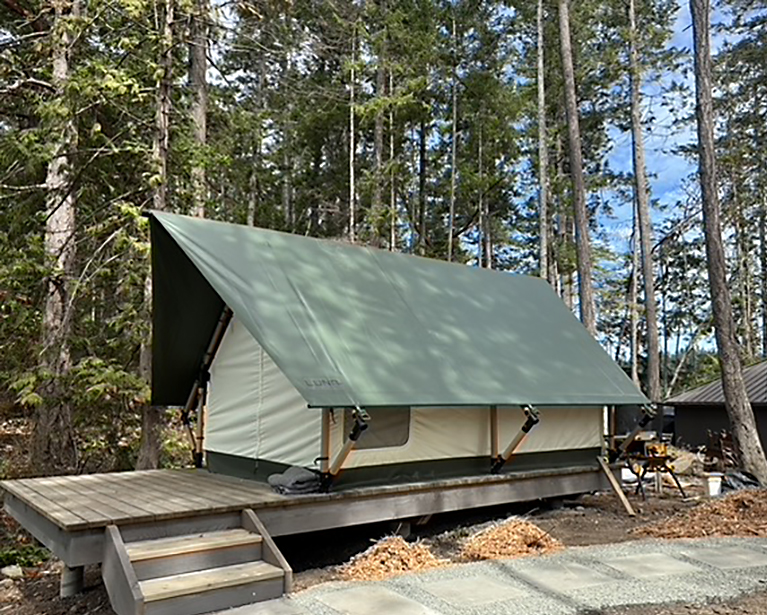
Glamping in Denver, Colorado continues to grow each year. Denver sits near the mountains, so visitors come for skiing, hiking, and fresh air. This steady traffic makes it a strong place to build a dome project.
However, Denver weather can be tough. Winters bring snow. Spring and fall bring wind. Summers can be warm during the day and cool at night. Because of this, dome strength matters.
Domes work well in snowy areas. Their round shape helps snow slide off instead of piling up. Still, insulation is important. Adding a thermal liner helps keep heat inside during winter. Proper sealing around doors and windows also improves comfort.
Wind is another factor. Strong anchors keep the dome secure. Many owners install domes on raised wooden platforms. This improves drainage and adds stability.
Buyers in Denver often use domes for:
Before installing, check local zoning rules. Some counties treat domes as temporary structures. Others may require permits if plumbing or electricity is added. Planning ahead saves time and stress later.
With good insulation and setup, a dome in Denver can operate year-round.
Glamping in Moab, Utah brings a different set of challenges. Moab is known for red rocks, desert trails, and national parks. The views are stunning. The weather, however, can be harsh.
Summer heat can rise quickly. Wind and dust are common. Nights can feel cool after hot days. Because of this, material quality becomes very important.
Domes perform well in windy areas. Their curved design reduces wind pressure. Still, secure anchoring is a must. Deep ground anchors or reinforced deck mounts help keep the dome stable.
Heat control also matters. Ventilation windows allow airflow. Insulated liners help balance temperature changes between day and night. Light-colored outer covers reflect sunlight and reduce heat buildup.
Moab projects often include:
Site preparation plays a big role. Desert soil can shift. A strong, level base protects the structure over time. Raised platforms also reduce dust inside the dome.
In Moab, comfort depends on smart planning. When done right, domes can run through multiple seasons and attract steady bookings.
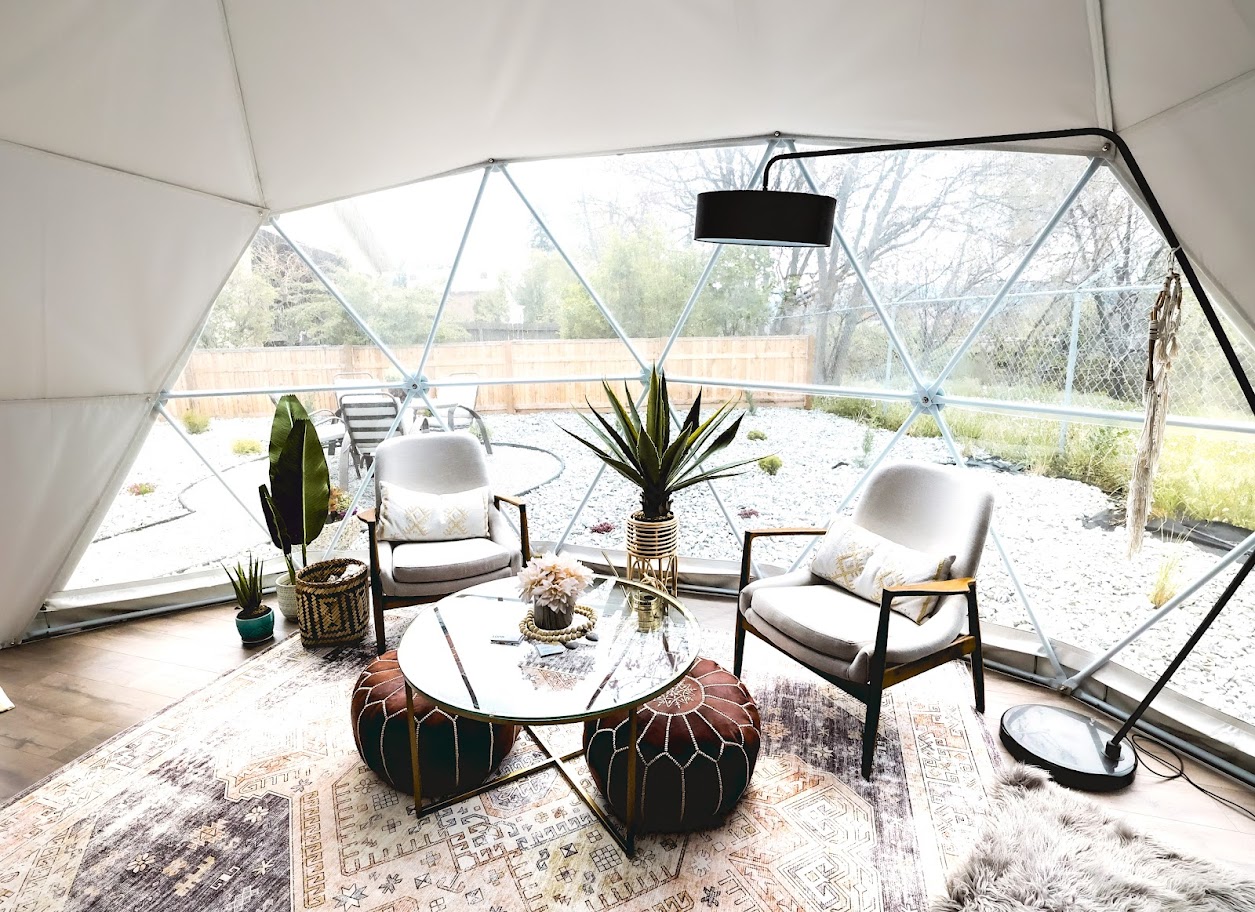
Glamping in Aspen, Colorado focuses on comfort and style. Aspen attracts visitors who expect high-end stays. Snowfall can be heavy in winter. Cold temperatures last for months.
Because of this, dome insulation is critical. Thick liners, insulated flooring, and safe heating systems improve winter comfort. Some owners add wood stoves or electric heaters. Proper ventilation prevents moisture buildup inside.
Snow load strength also matters. Dome frames distribute weight evenly. This helps prevent stress points. Still, checking snow depth and clearing heavy buildup when needed protects the structure.
Aspen dome projects often include:
Zoning rules in Aspen can be strict. Always check property guidelines before purchase. Utility connections may require inspections.
Because Aspen supports higher nightly rates, dome owners can often invest in upgraded interiors. Quality materials and thoughtful layout improve guest experience and support long-term value.
A well-built dome in Aspen can operate in winter and summer with the right setup.
Glamping in Boulder, Colorado, blends outdoor living with eco-friendly values. Boulder residents often care about sustainability and smart design.
Domes fit well with this mindset. Their energy-efficient shape helps manage heating and cooling. Solar panels can support off-grid systems. Composting toilets and low-impact utilities are common in this area.
Wind exposure is a factor near open plains. Strong anchoring systems protect the dome during storms. Raised platforms help manage drainage during snowmelt.
Common dome uses in Boulder include:
Interior design in Boulder often stays simple and natural. Wood floors and soft lighting create calm spaces. Large windows bring in natural light.
Before installing a dome in Boulder, check local building rules. Neighborhood guidelines may limit size or placement. Researching early prevents costly mistakes.
With proper planning, domes in Boulder can serve both personal and rental purposes for years.
Glamping in Jackson Hole, Wyoming, requires serious weather planning. This area sees heavy snow, strong winds, and cold winters.
Domes are well-suited for alpine climates. Their rounded design handles wind pressure evenly. Snow load spreads across the frame instead of collecting in one area.
Still, insulation is key. Double or triple-layer wall systems improve warmth. Insulated flooring keeps cold air from rising through the base. Heating systems must follow safety guidelines.
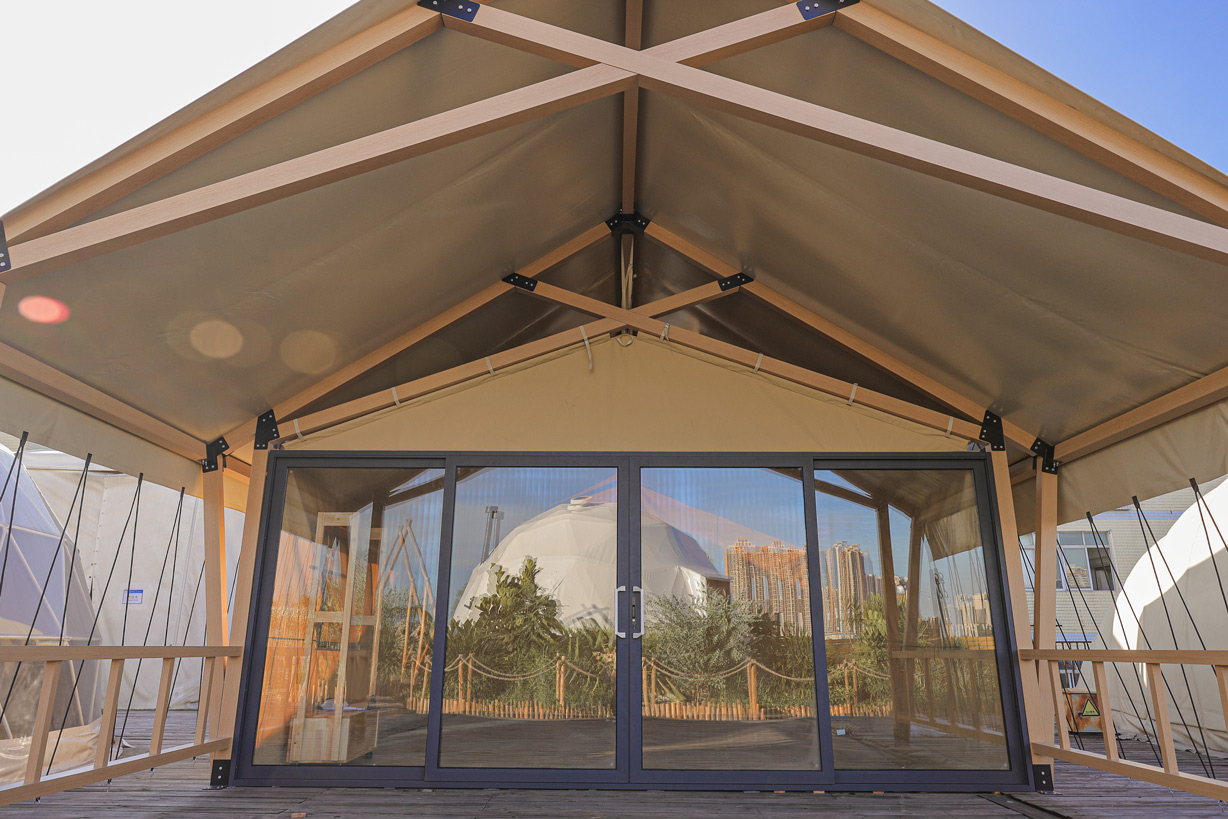
Jackson Hole dome projects often include:
Access roads should allow winter maintenance. Snow removal plans protect long-term use. Elevated platforms help with drainage during thaw cycles.
Because Jackson Hole attracts higher-end visitors, premium interior features can improve nightly rates. Large clear panels that frame mountain views add strong visual appeal.
When built correctly, domes in Jackson Hole can perform year-round.
Why Domes Work Across These Regions
Although each location differs, domes share the same core strengths.
First, they are strong. The triangle frame pattern spreads stress evenly. This reduces weak points.
Second, they are efficient. Domes use fewer materials than traditional buildings but still hold firm.
Third, they feel open inside. Without interior support walls, you have more layout freedom.
Fourth, they are flexible. You can choose size, insulation level, and window placement.
Finally, they stand out. The round design draws attention and supports premium pricing in competitive markets.
Steps to Plan Your Dome Project
Every successful project follows a clear plan.
Routine care keeps your dome in good shape. Clean the outer cover when needed. Inspect frame bolts once a year. Check seals before winter. Small steps extend lifespan.
Luna Glamping focuses only on dome structures. We design our domes to handle real weather across Colorado, Utah, and Wyoming. Our team provides clear specifications so you can plan with confidence.
Whether you are building a single private dome or a multi-unit retreat, strong materials and smart design matter. Each region has unique challenges. Still, the right dome can handle them with ease.
If you are planning a project in Denver, Moab, Aspen, Boulder, or Jackson Hole, Luna Glamping is ready to help. Reach out today to explore dome sizes, insulation options, and customization features. Let’s build something strong, simple, and built to last.

No configuration required.