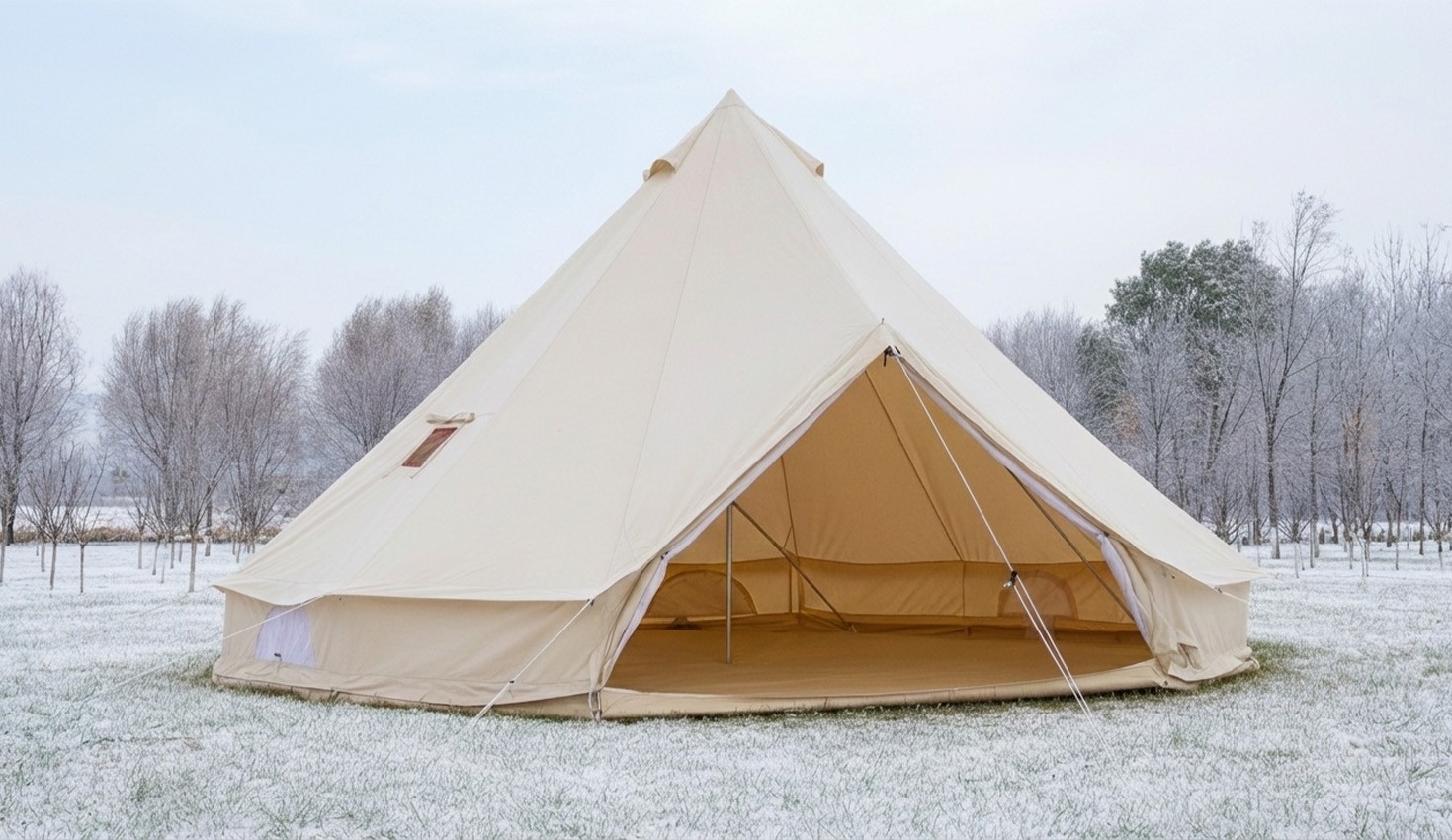
Winter camping has its own kind of magic. Crisp air. Quiet landscapes. Snow-covered views that feel untouched. Still, cold weather camping takes planning. A canvas tent makes a big difference here. It holds warmth better, handles snow load well, and feels far more comfortable than most standard camping tents.
That said, comfort does not happen by accident. It comes from smart setup, the right gear, and knowing how to work with winter conditions instead of fighting them. This guide walks through practical tips to help make winter camping safe, warm, and genuinely enjoyable.
Why Canvas Tents Work Better for Winter Camping
Not all camping tents are built for winter. Many lightweight options struggle with insulation and wind resistance. Canvas tents, on the other hand, are made for tougher conditions.
Canvas is thicker and more breathable. It traps warmth while still allowing moisture to escape. This balance helps prevent condensation buildup, which can make cold nights feel even colder.
Another plus is durability. A well-made canvas tent can handle snow, ice, and strong winds far better than thin synthetic materials. For anyone serious about winter camping, canvas is often the smarter long-term choice.
Picking the Right Winter Campsite
Location matters more in winter. A great tent setup will not help much if the campsite works against you.
Look for natural wind breaks. Trees, hills, or rock formations help reduce wind exposure. Avoid low-lying areas where cold air settles overnight. Flat ground is ideal, especially when snow is involved.
Clear the area before setting up. Packed snow creates a more stable base and reduces cold air pockets beneath the tent floor. This small step goes a long way in staying warm.
Setting Up Your Canvas Tent the Right Way
Proper setup is key for winter comfort. Start by anchoring the tent securely. Snow stakes or longer stakes work better than standard ones. Tension matters too. A tight pitch prevents sagging when snow accumulates.
If your tent includes a stove jack, position the tent so the chimney has clear space around it. Safety always comes first.
Adding a groundsheet or insulated flooring helps block cold from below. Many campers use foam mats, rugs, or layered tarps to create a warmer base.
Insulation Makes All the Difference
Insulation is where winter camping gets cozy. Canvas tents already help retain heat, but layering improves results.
Start with the floor. Cold ground pulls heat fast. Thick mats or insulated panels help stop heat loss. Next, think about walls. Some campers hang thermal liners or even thick blankets inside the tent for added warmth.
Roof insulation also matters. Warm air rises, so keeping it from escaping improves overall temperature inside the tent.
Heating Options for Canvas Tents
Heat transforms a winter camping trip. Canvas tents pair well with wood stoves or portable tent heaters, as long as they are used correctly.
A wood stove provides steady warmth and a dry heat that feels comfortable. It also adds a cozy vibe that makes winter nights more enjoyable. Always keep proper ventilation. Never seal the tent completely.
Portable propane heaters are another option. Choose models designed for indoor or tent use and follow safety guidelines closely.
No matter the heat source, carbon monoxide detectors are a must. Safety should never be an afterthought.
Sleeping Warm Through Cold Nights
A warm sleeping setup makes or breaks winter camping. Start with a sleeping bag rated well below expected temperatures. Layering helps too. Use a sleeping bag liner for extra warmth.
Sleeping pads matter just as much as bags. Insulated pads prevent cold from creeping up from the ground. Many campers stack two pads for better results.
Wear dry clothing to bed. Wool socks, thermal layers, and a warm hat help keep body heat in. Avoid cotton, since it traps moisture and cools quickly.
Managing Moisture and Ventilation
Moisture control is one of the most overlooked winter camping tips. Even in freezing weather, condensation builds up from breathing, cooking, and heating.
Canvas tents breathe better than many camping tents, but ventilation still matters. Crack windows slightly or use roof vents to allow moisture to escape.
Dry gear before bringing it inside the tent when possible. Wet boots and clothing increase humidity fast. Keeping things dry helps maintain warmth and comfort.
Cooking and Food Storage in Cold Weather
Cold weather changes how food behaves. Keep water bottles upside down so they freeze last. Store food in insulated containers to prevent freezing solid.
Cooking inside a canvas tent should always be done carefully. Use proper ventilation and keep open flames away from fabric. Many campers prefer cooking near the entrance or in a sheltered outdoor area.
Hot meals do more than fill you up. They help maintain body temperature and boost morale during cold evenings.
Clothing Layers That Actually Work
Layering is about flexibility. Start with a moisture-wicking base layer. Add an insulating mid-layer like fleece or wool. Finish with a windproof outer layer.
Avoid sweating. Overheating leads to damp clothing, which cools you down fast once you stop moving. Adjust layers often to stay dry and comfortable.
Keep extra socks and gloves handy. Swapping into dry gear feels amazing after a cold day outside.
Maintaining Your Canvas Tent After Winter Use
Winter camping can be tough on gear. Proper care extends the life of canvas tents.
Let the tent dry completely before storage. Even small moisture levels can lead to mildew. Brush off dirt and snow gently. Avoid harsh detergents when cleaning.
Store the tent in a cool, dry place. Proper maintenance ensures your canvas tent stays ready for future adventures.
When a Canvas Tent Makes Sense as an Investment
Many campers start winter trips with basic camping tents. Over time, they realize the value of upgrading. A quality canvas tent lasts longer and performs better in cold conditions.
For those browsing a canvas tent for sale, winter performance should be a top priority. Strong stitching, thick canvas, and stove compatibility all matter.
A reliable canvas tent becomes more than gear. It becomes part of the experience.
Contact us today, and let us help you get started!
FAQs About Winter Camping in Canvas Tents
Is a canvas tent warm enough for winter camping?
Yes, canvas tents retain heat better than many standard camping tents. With insulation and proper setup, they work very well in winter.
Can I use a stove inside a canvas tent?
Yes, many canvas tents are designed for stove use. Always follow safety guidelines and ensure proper ventilation.
Do canvas tents handle snow well?
They do. The sturdy structure and fabric strength allow canvas tents to support snow load better than lighter tents.
How do I prevent condensation inside the tent?
Ventilation is key. Open vents slightly and manage moisture from cooking and wet gear.
Is a canvas tent worth the cost for winter camping?
For frequent winter campers, yes. The comfort, durability, and warmth often justify the investment.
Final Thoughts
Winter camping does not have to feel harsh or uncomfortable. With the right approach, it can feel peaceful and rewarding. Canvas tents play a big role in making that happen. They offer warmth, strength, and a sense of shelter that standard camping tents often lack.
Planning ahead, layering wisely, and respecting winter conditions help turn cold nights into memorable experiences.
Ready to Upgrade Your Winter Camping Setup?
Explore premium canvas tents built for cold-weather comfort. Browse durable options designed to handle winter adventures with confidence.
If you are searching for a canvas tent for sale that balances warmth, strength, and long-term value, Luna Glamping offers thoughtfully designed options made for all-season camping. Start planning your winter escapes with gear you can trust.