
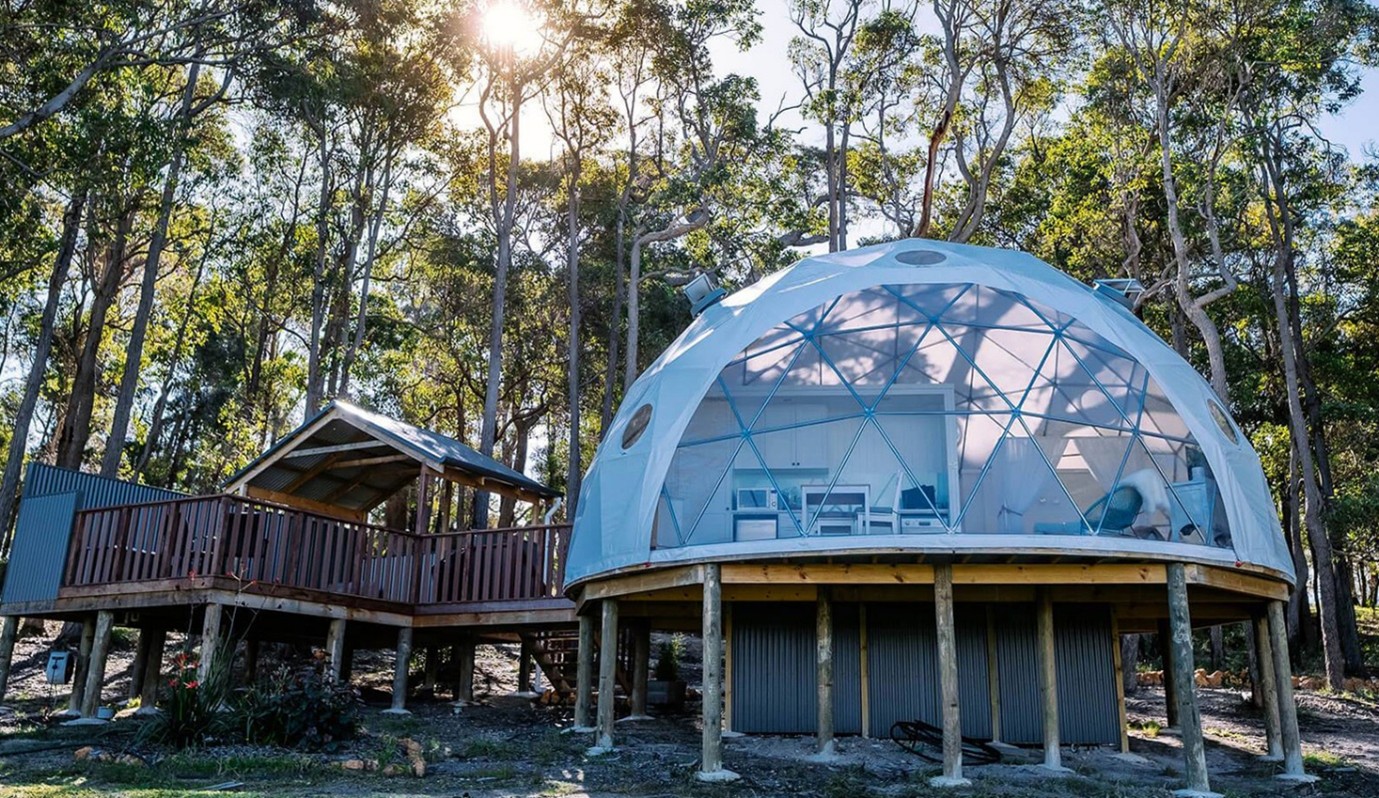
A great dome deserves a great foundation. While the structure itself draws attention, the deck is what ties everything together. It supports the dome, defines the guest experience, and adds serious visual appeal. When planned correctly, it can turn standard glamping domes into elevated outdoor retreats that feel polished and intentional.
Whether you are installing glamping domes in Ontario or developing a site in another region, the deck plays a huge role in comfort, durability, and long-term performance. Let’s break down what goes into building the perfect one.
Why a Deck Matters More Than You Think
It is easy to focus only on the dome. After all, that is the star of the show. However, the deck carries the load, both structurally and visually.
First, a raised platform protects the base of glamping domes from ground moisture. This helps extend the lifespan of the structure. Second, it creates a level surface, which is essential for proper installation.
Beyond function, the deck sets the tone. Guests step onto it before entering the dome. That first impression counts. A well-built deck feels stable, clean, and welcoming. On the other hand, a rushed platform can make even high-end domes feel unfinished.
Simply put, the deck is not an afterthought. It is part of the full experience.
Choosing the Right Location and Layout
Before building, step back and look at the land. Where does the sun rise. Where does the wind hit hardest. What views are worth framing.
When installing glamping domes in Ontario, orientation matters. Southern exposure can help with passive warmth in cooler months. At the same time, shade from trees may reduce overheating in summer.
Next comes layout. Round decks are popular because they mirror the dome shape. However, extended rectangular platforms can create extra lounging space. Some developers add wraparound sections for seating or outdoor dining.
Think about traffic flow too. Guests should move easily from the deck to the entrance without awkward steps or tight corners. A little planning here goes a long way.
Materials That Handle Real Weather
Weather can be tough, especially in regions with strong seasonal shifts. Snow, rain, humidity, and heat all affect deck performance. That is why material choice matters.
Pressure-treated lumber is a common option. It is affordable and durable when maintained properly. Composite decking is another strong contender. It resists moisture and requires less upkeep over time.
For glamping domes in Ontario, freeze and thaw cycles are important to consider. Materials must handle expansion and contraction without warping. Using corrosion-resistant fasteners also prevents long-term damage.
Whatever you choose, do not cut corners. The deck supports the entire dome structure. Investing in quality materials now saves headaches later.
Elevation, Anchoring, and Structural Support
A solid deck starts with proper support. Posts must be installed securely, often below frost lines in colder climates. This prevents shifting as temperatures change.
When building for glamping domes, weight distribution is key. The circular frame needs even support across the platform. Uneven surfaces can create stress points over time.
Anchoring systems should connect the dome frame directly to the deck structure. This adds stability during high winds. In exposed areas, additional bracing may be required.
It might not be the flashy part of the project, but structural integrity keeps everything standing strong. And when the weather rolls in, you will be glad it was done right.
Designing for Guest Comfort and Flow
A deck should feel like an extension of the dome, not a separate piece. So, think about how guests will use the space.
Do they need room for chairs and a small table. Would a built-in bench add convenience. Could a partial railing improve safety without blocking the view.
For higher-end glamping domes, consider adding outdoor lighting along the deck perimeter. Soft lighting creates a cozy atmosphere at night. It also improves safety.
Stairs should be wide and stable. Handrails can be simple yet sturdy. Small details like flush boards and clean edges make a big difference.
Comfort is not just about the interior. The outdoor transition space sets the mood before guests even unzip a bag.
Finishing Touches That Elevate the Experience
Once the main structure is complete, it is time for finishing touches. Skirting around the base can hide structural elements and improve appearance. It also keeps animals from nesting underneath.
Adding a pergola section or shade sail can create partial cover. This works well in sunny areas. In rainy climates, proper drainage under the deck prevents water buildup.
If you are building glamping domes in Ontario, consider seasonal features. Removable wind panels can help during colder months. Outdoor heaters can extend deck use into fall.
Planters, subtle signage, and textured finishes also enhance visual appeal. These elements create a polished look without going over the top.
In the end, it is about balance. The deck should support the dome while adding personality and comfort.
Conclusion
Building the perfect deck for glamping domes takes thoughtful planning. From material selection to anchoring systems, every step matters. The deck supports the structure, shapes the guest experience, and protects your investment.
For projects involving glamping domes in Ontario, climate considerations play an even bigger role. Proper elevation, durable materials, and smart layout decisions ensure long-term performance.
When built with care, the deck becomes more than a platform. It becomes part of the story your outdoor space tells.
Start Planning Your Dome and Deck System
If you are developing a dome project and want guidance on structural planning, we are here to help. At Luna Glamping, we design high-performance glamping domes built for durability and long-term use.
Our team works with you to ensure your dome integrates smoothly with a properly designed deck system. From sizing to anchoring considerations, we help you plan with confidence.
Contact Luna Glamping today to begin building a stronger foundation for your outdoor hospitality project.
FAQs
- Do glamping domes require a raised deck?
Most glamping domes benefit from a raised platform to protect against moisture and ensure proper leveling.
- How deep should deck posts be in Ontario?
For glamping domes in Ontario, posts often need to extend below the frost line to prevent shifting during freeze and thaw cycles.
- What is the best decking material for dome platforms?
Pressure-treated wood and composite materials are common choices, depending on budget and climate conditions.
- Can I add extra deck space for seating?
Yes. Many developers extend decks beyond the base of glamping domes to create lounging or dining areas.
- Should the dome be anchored to the deck?
Yes. Proper anchoring improves stability and helps protect glamping domes in Ontario from strong winds and seasonal weather changes.
Build a Stable Foundation for Long-Term Performance
Every site has unique challenges. That is why we provide detailed technical documentation and planning support for glamping domes in Ontario and beyond.
From structural requirements to climate considerations, we help you choose the right configuration for your property.
Reach out to Luna Glamping to request pricing, specifications, and expert guidance for your dome installation.
